
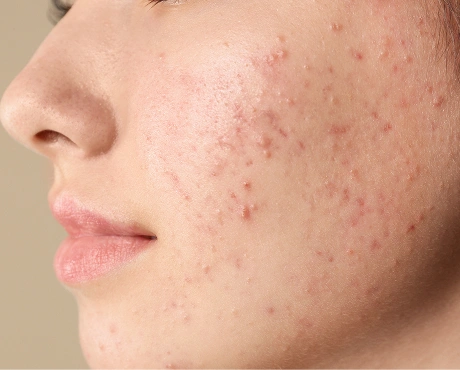
Acne - Breakouts - Blemishes
These are a common skin condition that affects people of all ages, often appearing as blackheads, whiteheads, pimples, or cysts. It occurs when hair follicles become clogged with excess oil, dead skin cells, and bacteria, leading to inflammation. Hormonal fluctuations, stress, genetics, and diet are some of the primary causes. Persistent acne can result in physical discomfort and emotional distress, affecting self-esteem and often leading to scarring if left untreated. Effective treatments for acne target the root causes of breakouts, including oil production, clogged pores, and bacteria.
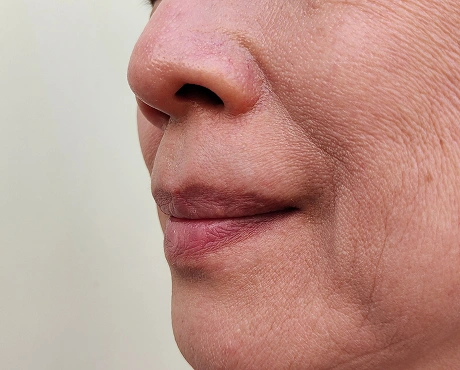
Fine Line & Wrinkles
Fine lines and wrinkles are natural signs of aging, caused by a decrease in collagen, elastin, and skin hydration. Fine lines are shallow and appear due to repetitive facial expressions, sun exposure, and the early stages of aging. Wrinkles are deeper creases that develop as skin elasticity declines and external factors like sun damage and smoking accelerate the process. Both commonly occur around the eyes, mouth, and forehead, creating a tired and aged appearance.

Pigmentation
Pigmentation refers to any discoloration on the skin, including dark spots, sunspots, melasma, or uneven skin tone. Excess melanin is produced due to factors such as sun exposure, hormonal changes, genetics, and inflammation (like from acne). Pigmentation can give the skin an uneven, older-looking complexion, with dark patches that stand out against the surrounding skin. Treating pigmentation often involves targeting melanin production and encouraging an even distribution across the skin.
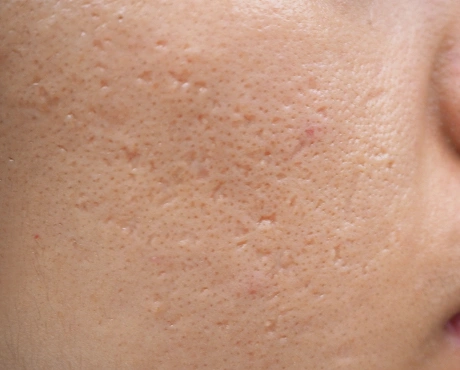
Scarring
Scarring occurs as a result of the skin’s healing process following injuries, surgery, or conditions such as severe acne, particularly cystic acne. When the skin attempts to repair itself, it can produce too much or too little collagen, leading to the formation of scars.
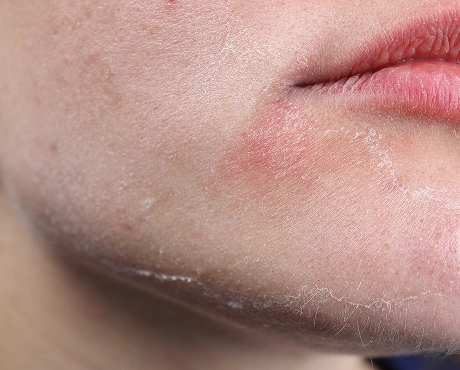
Dry or Dull Skin
Dry and dull skin occurs when the skin lacks sufficient moisture and nutrients, leading to a rough texture, flakiness, and a lackluster appearance. This condition is often caused by a combination of environmental and lifestyle factors. Harsh weather conditions, such as cold winds and low humidity, strip the skin of its natural oils. Overuse of harsh cleansers, hot showers, and improper skincare routines can further deplete hydration levels. Aging also plays a role, as the skin produces less oil and loses elasticity over time. Additionally, factors like dehydration, poor diet, stress, and insufficient exfoliation can hinder the skin’s natural renewal process, resulting in a dull and lifeless complexion. Addressing these causes through proper hydration, a balanced diet, and tailored skincare treatments can restore the skin’s radiance and vitality.

Oily Skin & Enlarged Pores
Oily skin is characterised by overactive sebaceous glands that produce excess sebum (oil), leading to a shiny appearance, frequent breakouts, and enlarged pores. The excess oil can clog pores, contributing to a rough texture and an uneven complexion. Enlarged pores are often visible on the T-zone (forehead, nose, and chin), where oil production is most concentrated. Oily skin can also result in blackheads, whiteheads, and acne. Balancing oil production, clearing pores, and tightening skin are essential to managing oily skin and minimizing the appearance of pores.
Redness & Rosacea
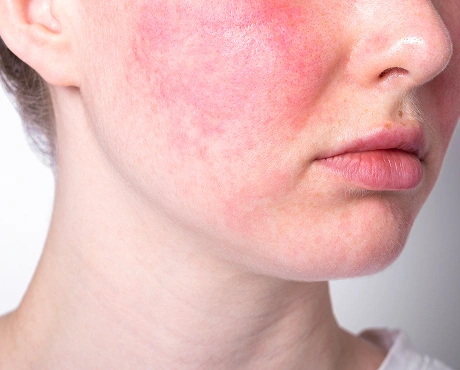
Sensitive skin is more prone to irritation, inflammation, and redness due to its weakened barrier. These symptoms can often be linked to conditions like rosacea, a chronic skin condition characterised by persistent redness, visible blood vessels, and, in some cases, bumps or pustules. Environmental factors, allergens, certain skincare products, or even dietary triggers can worsen sensitivity and redness. These conditions can make the skin appear blotchy and uneven and may lead to discomfort such as stinging, burning, or itching. Treatments for sensitivity, redness, and rosacea focus on soothing inflammation, strengthening the skin’s natural protective barrier, and reducing visible redness.
Dark Circles
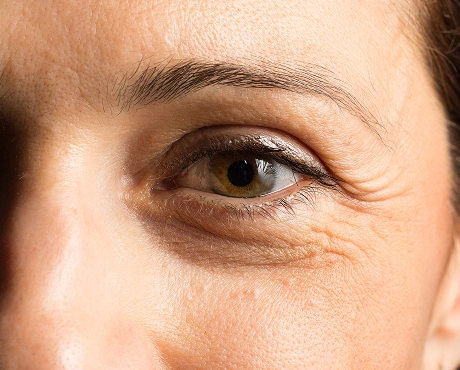
Dark circles and puffiness under the eyes are common concerns caused by factors such as genetics, poor sleep, allergies, and aging. Dark circles occur when blood vessels leak beneath the skin, causing a bluish or purplish hue, while puffiness is often caused by fluid retention and weakened skin elasticity. Both can make the face appear tired and aged. Treatments for dark circles and puffiness aim to improve circulation, reduce fluid retention, and enhance skin texture and elasticity.
Veins: Body & Face
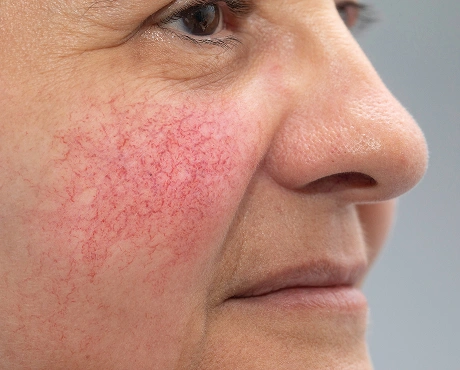
Broken veins, or spider veins, are small, visible blood vessels that appear as red or purple lines on the skin’s surface. They are caused by factors such as sun damage, aging, genetics, or conditions like rosacea. While these veins do not cause harm, they can create an uneven or blotchy appearance. Effective treatments for broken Veins on Face & Body the blood vessels to reduce their visibility and restore the skin’s even tone.
Nose to Mouth Lines/Nasolabials
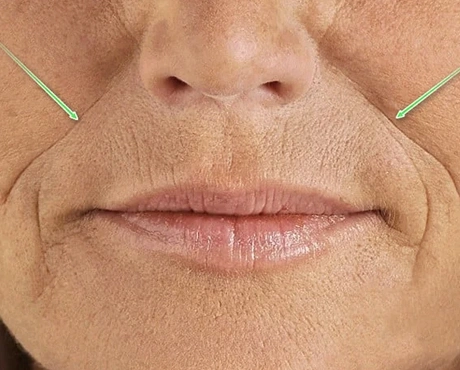
Nasolabial lines, also known as nose-to-mouth lines or smile lines, are a common aesthetic concern that develop as part of the natural ageing process. These lines run from the sides of the nose down to the corners of the mouth and become more prominent over time due to a combination of collagen and elastin loss, repeated facial movement, and gradual volume loss in the midface. As the skin becomes thinner and facial support structures weaken, these lines can appear deeper and more defined, often contributing to a more tired or aged appearance. This concern is commonly associated with terms such as nasolabial folds, smile lines, laugh lines, nose-to-mouth lines, and midface volume loss.
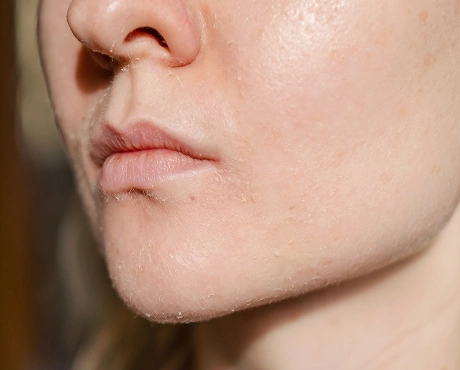
Uneven Skin Texture
Uneven skin texture occurs when the surface of the skin is rough, bumpy, or inconsistent due to factors such as acne scars, sun damage, or dehydration. This can make the skin appear less smooth and glowing, and even makeup application can become more difficult. Treatments for uneven texture focus on removing dead skin cells, promoting skin regeneration, and improving overall skin tone.
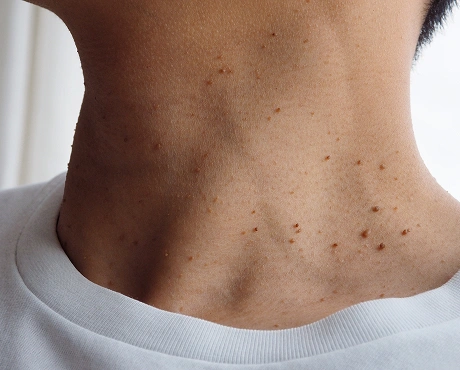
Warts & Skin Tags
Warts and skin tags are common skin conditions that can appear on various parts of the body. While generally harmless, they can be a source of discomfort or affect self-confidence due to their appearance.
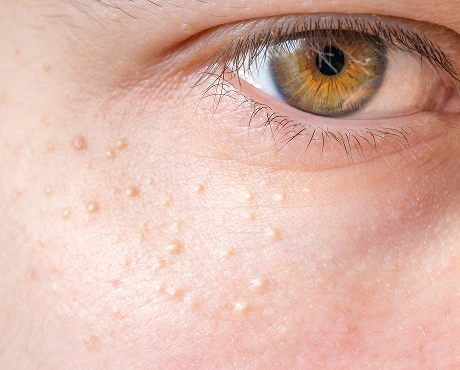
Milia
Milia are small, white or yellowish bumps that commonly appear on the skin, especially around the eyes, cheeks, and forehead. They occur when dead skin cells become trapped beneath the surface of the skin, forming tiny cysts. Milia are harmless and not painful, but they can be cosmetically bothersome for many people.
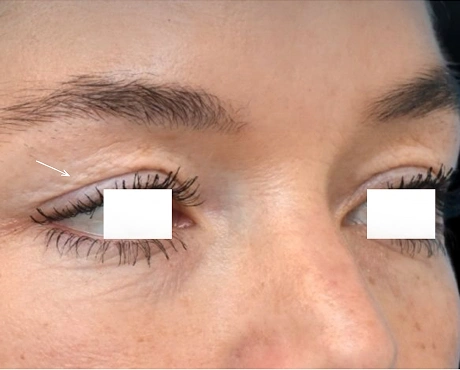
Hooded upper eyelids
Hooded upper eyelids are a common aesthetic concern that can create a heavy, tired, or aged appearance around the eye area. This occurs when excess skin or a natural loss of skin elasticity in the upper eyelid causes the skin to fold or droop over the eyelid crease. It can be influenced by ageing, genetics, collagen and elastin depletion, or changes in skin firmness over time. As a result, the eyes may appear smaller, less defined, or more shadowed, often contributing to a fatigued or less open-eyed look.
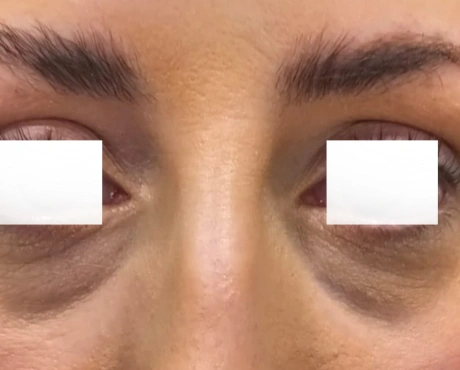
Undereye Volume Loss
Under-eye volume loss is a common aesthetic concern that can create a tired, hollow or aged appearance around the eyes. It occurs when the natural fat pads and collagen in the under-eye (tear trough) area gradually diminish over time due to ageing, genetics, lifestyle factors, or skin thinning. As a result, the area may appear sunken, shadowed, or more pronounced, often contributing to the appearance of dark circles and under-eye hollowness. This concern is commonly associated with terms such as tear trough hollowing, under-eye bags, dark circles, sunken eyes, and loss of midface volume.
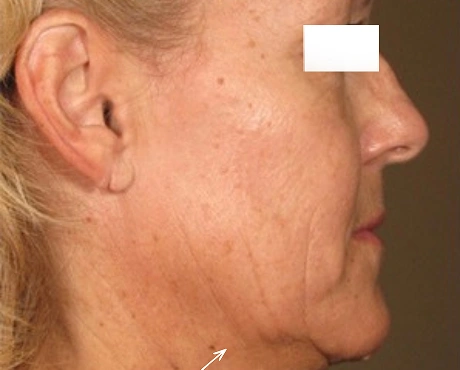
Mid-Face Jowling
Mid-face jowling is a common aesthetic concern that can create a heavier, sagging, or less defined appearance through the cheeks and lower face. It occurs when there is a gradual loss of collagen, elastin, and underlying facial support, combined with the downward shift of fat pads in the mid-face area. This process is influenced by ageing, genetics, and skin laxity, leading to a softening of the cheek contour and the formation of early jowls along the jawline. As a result, the face may appear less lifted, with reduced definition between the cheeks and jawline, often contributing to a more tired or aged appearance.
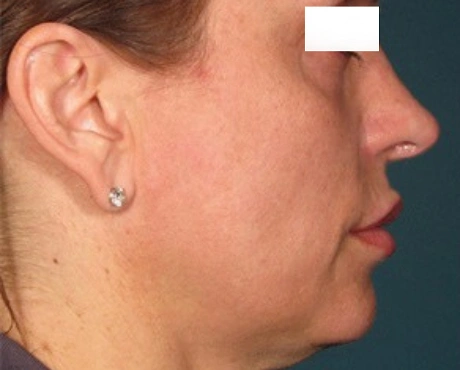
Facial Volume Loss
Facial volume loss is a common aesthetic concern that can create a hollow, sunken, or aged appearance as the natural fullness of the face gradually diminishes over time. This occurs due to the loss of collagen, elastin, and underlying fat pads, as well as changes in bone structure, all of which contribute to reduced support and contour in the face. It can be influenced by ageing, genetics, weight loss, and lifestyle factors. As a result, areas such as the cheeks, temples, jawline, and under-eyes may appear flatter, less defined, or more hollow, often contributing to a tired or less youthful overall appearance.

Under-eye Crepeyness/Laxity
Under-eye crepeyness and laxity is a common aesthetic concern that can create a delicate, aged, or fatigued appearance in the under-eye area. It occurs when the skin becomes thinner and loses collagen, elastin, and hydration over time, resulting in a crepey, finely wrinkled texture and reduced skin firmness. This can be influenced by ageing, sun exposure, genetics, lifestyle factors, and natural skin thinning in the periocular region. As a result, the under-eye area may appear loose, textured, and less smooth, often contributing to a tired or prematurely aged look. This concern is commonly associated with terms such as crepey under-eyes, under-eye skin laxity, fine lines under eyes, thin under-eye skin, collagen loss under eyes, and fragile under-eye texture.
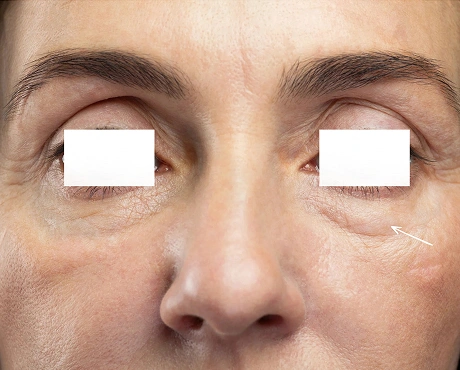
Under-Eye Puffiness
Under-eye puffiness is a common aesthetic concern that can create a tired, swollen, or aged appearance around the eyes. It occurs when fluid retention, weakened skin structure, genetics, or changes in the fat pads around the eye lead to visible swelling or mild bulging beneath the eyes. This can also be influenced by factors such as lack of sleep, stress, allergies, ageing, and lifestyle habits. As a result, the under-eye area may appear puffy, heavy, or less defined, often contributing to a fatigued or less refreshed overall appearance. This concern is commonly associated with terms such as under-eye bags, eye puffiness, fluid retention under eyes, swollen under-eyes, and periorbital puffiness.
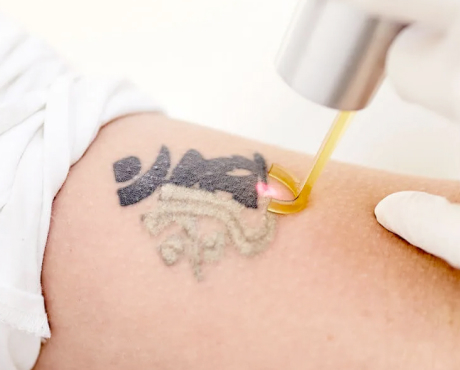
Tattoo Removal
Laser tattoo removal is a safe and effective way to fade and remove unwanted tattoos. At Prime Aesthetics Clinic, we use advanced Pico Laser technology to target tattoo pigment with ultra-short laser pulses, breaking the ink into tiny particles that are naturally cleared by the body. Suitable for laser tattoo removal, Pico Laser tattoo removal, and tattoo fading before a cover-up, treatment is tailored to your tattoo’s size, colour, location and skin type. Multiple sessions are usually required, as results vary depending on the tattoo and individual. Book a consultation at Prime Aesthetics Clinic to find out if Pico Laser tattoo removal is right for you.