
How to Remove Milia from Face: A Complete Guide to Clear, Smooth Skin
- primeaesthetics
Introduction
Milia are tiny, hard white bumps that commonly appear on the face, especially around the eyes, cheeks, nose, and forehead. These small cysts form when keratin-the protein that protects your skin-gets trapped beneath the skin’s surface. While harmless, milia can be frustrating and impact your confidence.
If you’re wondering how to remove milia from your face safely and effectively, you’re in the right place. This comprehensive guide covers what milia are, how to identify them, proven home remedies, professional treatments, and prevention strategies to help you maintain smooth, healthy skin.
What Are Milia and Why Do They Form?
Milia (singular: milium) are small cysts filled with keratin, a fibrous structural protein found in skin cells, hair, and nails. Unlike pimples or acne, milia are not caused by bacteria or inflammation. Instead, they form when keratin becomes trapped just under the outer layer of skin (the epidermis), creating a hard, white bump.
How Milia Form:
- Dead skin cells or keratin do not shed normally.
- The trapped keratin clusters beneath the skin surface.
- The skin forms a tiny cyst to encapsulate this keratin.
Common Causes:
- Sun damage that thickens skin.
- Skin trauma such as burns or blistering.
- Use of heavy skincare products that clog pores.
- Genetic predisposition.
- Aging skin with slower cell turnover.
Milia can occur at any age but are especially common in newborns, where they are called “neonatal milia” and usually resolve without treatment.
Why Do Milia Form on the Eyelid Specifically?
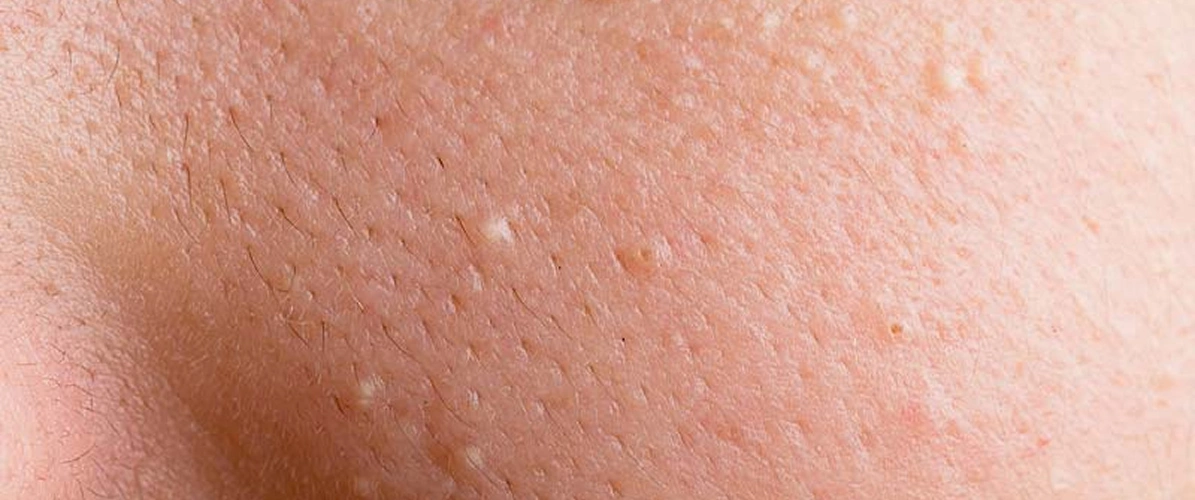
You might confuse milia with whiteheads or pimples, but there are key differences:
- Appearance: Milia are small (1-2 mm), hard, pearly white or yellowish bumps.
- Texture: Unlike acne, milia feel hard to the touch, not soft or pus-filled.
- Location: Commonly found around the eyes, cheeks, nose, and forehead.
- Symptoms: Milia are painless, do not cause redness or swelling, and do not itch.
Can You Remove Milia at Home?
The good news: Many mild milia cases can be treated at home with proper skincare and patience. However, avoid squeezing or picking milia, as this can cause scarring, infection, or worsen the condition.
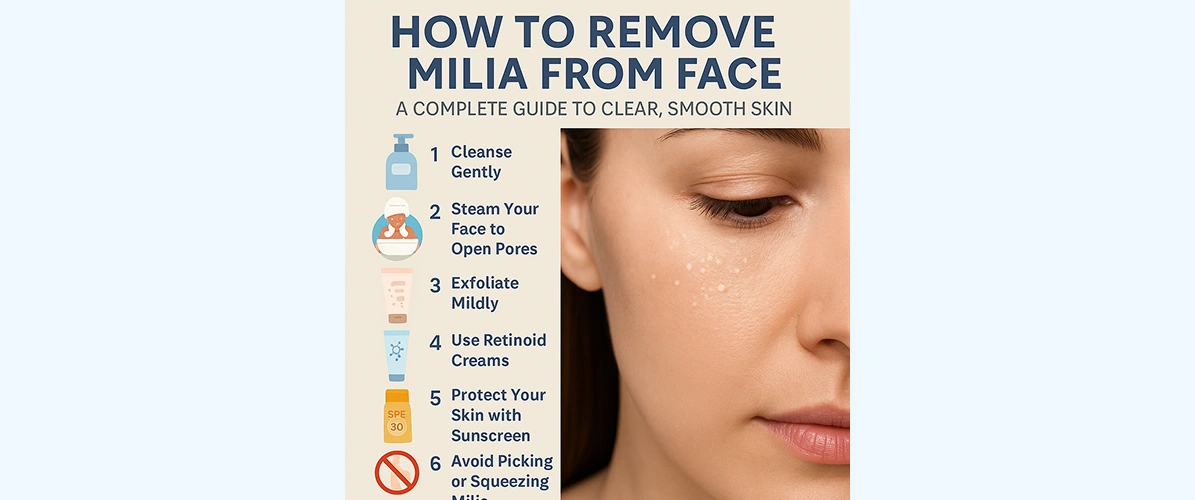
Step-by-Step Guide to Remove Milia from Face Safely
Step 1: Cleanse Gently
Begin with a gentle, non-comedogenic cleanser to remove impurities without irritating the skin. Regular cleansing helps prevent the buildup of dead skin cells and sebum.
Step 2: Steam Your Face to Open Pores
Facial steaming softens the skin and opens pores, making it easier to exfoliate and remove dead skin buildup.
- How to steam: Boil water, pour into a bowl, lean over with a towel over your head for 5-10 minutes.
- Optional: Add herbs like chamomile or green tea for calming effects.
- Do not steam too often-1-2 times weekly is sufficient.
Step 3: Exfoliate Mildly to Remove Dead Skin Cells
Exfoliation removes the top layer of dead skin, helping prevent keratin buildup.
- Chemical exfoliants (AHAs like glycolic acid, BHAs like salicylic acid) are often more effective and gentler than physical scrubs.
- Start exfoliating 1-2 times per week, gradually increasing frequency as tolerated.
Step 4: Use Retinoid Creams to Accelerate Cell Turnover
Retinoids (vitamin A derivatives) promote faster skin renewal and prevent keratin buildup.
- OTC options: Adapalene gel (Differin).
- Prescription retinoids: Tretinoin, Tazarotene (require dermatologist approval).
- Apply a pea-sized amount at night, starting with every other day to reduce irritation.
- Always wear sunscreen during the day, as retinoids increase sun sensitivity.
Step 5: Protect Your Skin with Sunscreen Daily
Sun exposure damages skin and can worsen milia by thickening the outer skin layer.
- Use broad-spectrum SPF 30 or higher.
- Choose non-comedogenic sunscreens like Neutrogena Ultra Sheer or EltaMD UV Clear.
- Apply every morning and reapply if outside for extended periods.
Step 6: Avoid Picking or Squeezing Milia
Attempting to pop milia at home can damage skin, cause scars, and lead to infection.
- Instead, use gentle methods and seek professional removal if necessary.
When Should You See a Dermatologist?
If milia persist for weeks, appear in clusters, or cause cosmetic concerns, consult a dermatologist.
Signs to seek professional help:
- Milia on sensitive areas like eyelids.
- Large clusters resistant to home treatment.
- Milia that reappear frequently.
Medical Treatments for Milia Removal
Dermatologists offer safe and effective procedures to remove milia quickly:
|
Treatment
|
How It Works
|
Best For
|
|---|---|---|
|
De-Roofing
|
Piercing cyst with a sterile needle
|
Single, visible milia
|
|
Chemical Peels
|
Applying acids to dissolve skin layers
|
Multiple superficial milia
|
|
Laser Ablation
|
Vaporizes cysts with precision
|
Deep or stubborn milia
|
|
Cryotherapy
|
Freezes cysts to destroy them
|
Larger or resistant milia
|
Milia in Babies and Children
Newborns often develop milia on the face due to immature skin.
- Neonatal milia are harmless.
- Usually resolve within a few weeks without treatment.
- Avoid applying adult skincare products to babies’ skin.
What to Avoid in Your Skincare Routine
Certain ingredients and habits can worsen milia formation:
- Heavy oils and occlusive creams like mineral oil, petrolatum.
- Overusing thick makeup or skincare products that clog pores.
- Excessive physical exfoliation causes skin irritation.
- Ignoring sunscreen, which worsens skin damage.
Tip: Always choose lightweight, non-comedogenic products labeled “won’t clog pores.”
Preventing Milia in the Future: Tips and Checklist
Prevention is key to avoiding new milia bumps.
- Exfoliate 1-3 times weekly with gentle chemical exfoliants.
- Use lightweight moisturizers suited for your skin type.
- Apply broad-spectrum sunscreen daily.
- Avoid skin trauma: don’t pick or scratch.
- Maintain a consistent skincare routine
Conclusion
Milia are a common skin concern caused by trapped keratin cysts beneath the skin surface. With a gentle skincare routine, including cleansing, steaming, mild exfoliation, and retinoid use, you can safely remove many milia at home. Always protect your skin from the sun and avoid squeezing milia to prevent scars. For persistent or stubborn milia, professional dermatological treatments provide quick and effective solutions.
By following these guidelines and practicing preventive care, you can enjoy clearer, smoother skin and say goodbye to those pesky white bumps for good.
If you’re ready to improve your milia treatment, our expert team is here to help.
Contact us today to book your consultation and take the first step toward clearer, smoother, and more radiant skin.