
How to Remove a Milia on Eyelid: Causes, Treatments & Safety Tips
- primeaesthetics
Introduction
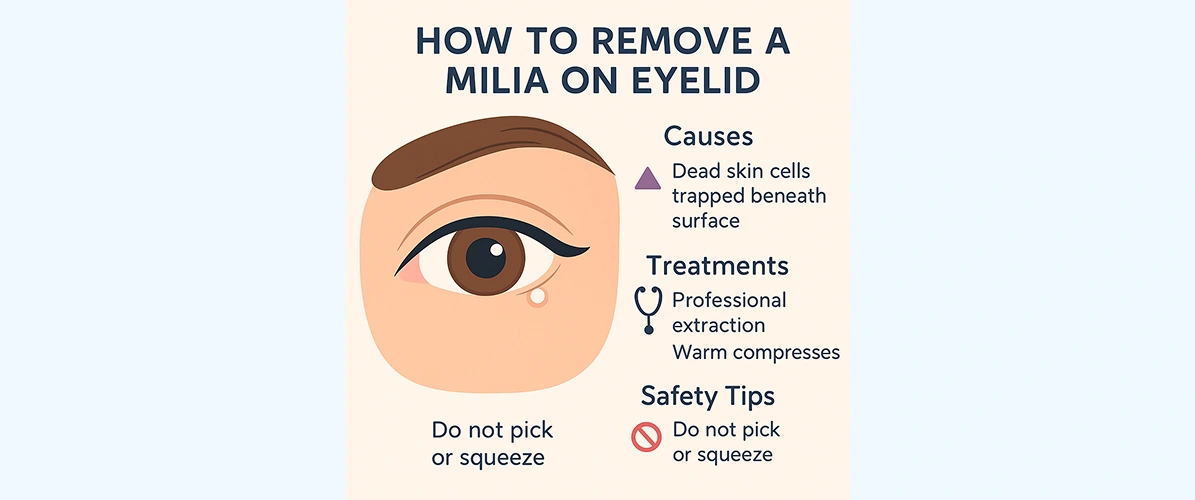
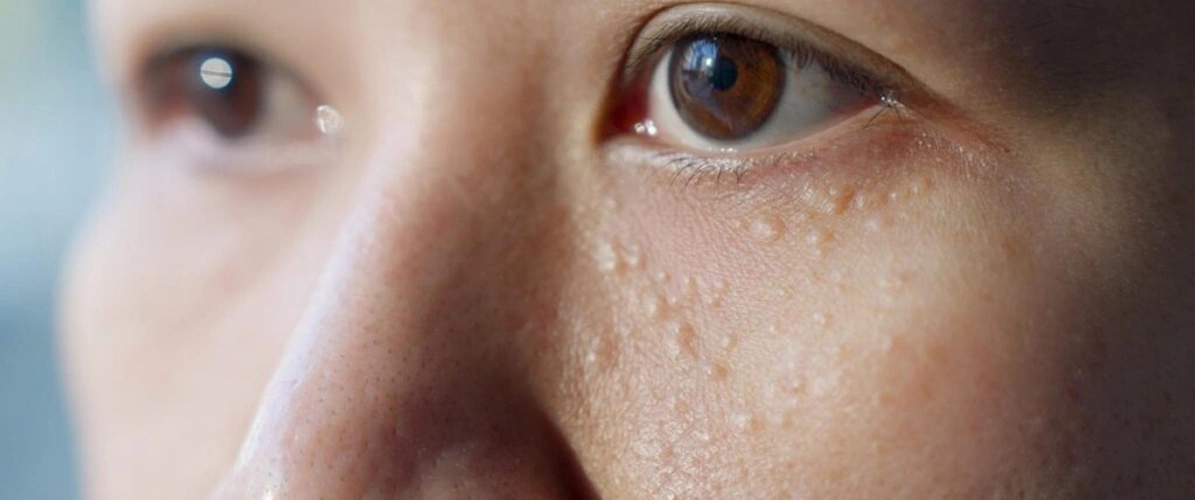
Milia are small, white or yellowish cysts that appear just under the skin, often around the eyes or on the eyelids. These tiny bumps can resemble whiteheads but are not caused by acne or clogged pores in the traditional sense. Instead, milia form when dead skin cells or keratin become trapped beneath the skin’s surface.
For many people, milia on the eyelid are more than just a cosmetic concern. Because the skin in this area is thin and sensitive, any unusual bump can cause discomfort or raise alarm. Moreover, attempting to remove milia improperly can lead to scarring or damage to the eye area.
This guide is designed for those looking for non-invasive, safe, and medically sound ways to address eyelid milia. Whether you’re trying to understand why they appear, how to treat them without risk, or when to consult a professional, we have you covered.
What Is Milia on the Eyelid?
What causes milia on eyelids?
Milia are keratin-filled cysts that typically occur in areas with delicate skin, such as the eyelids. They develop when dead skin cells become trapped in small pockets on the skin’s surface instead of being naturally shed. This causes the formation of small, hard bumps.
Common causes include:
- Skin trauma (e.g., burns or surgical procedures like eyelid lifts)
- Use of heavy skincare products
- Lack of exfoliation
- Sun damage
Is eyelid milia a skin condition or symptom?
Milia are not a disease but a symptom of skin dysfunction-specifically, improper exfoliation or buildup of keratin. They can occur on their own or be secondary to another skin issue or procedure.
Milia are most common in infants but also appear frequently in adults, especially around the eyes where the skin is thinnest and lacks oil glands.
Why Do Milia Form on the Eyelid Specifically?
What factors trigger milia near the eyes?
The skin on and around the eyelids is among the most delicate on the body. It lacks oil glands, making it more susceptible to build up and cyst formation. Environmental and lifestyle factors can also contribute:
- Use of petroleum-based or heavy creams
- Unprotected sun exposure
- Frequent use of occlusive makeup products
- Poor cleansing habits
How do skin type and lifestyle affect milia?
Certain skin types, especially those prone to dryness or sensitivity, are more likely to develop milia. Aging skin, which turns over cells more slowly, also increases the risk. Additionally, lifestyle choices such as inadequate hydration, poor diet, and smoking may contribute to overall skin health and exacerbate conditions like milia.
Example: A person who applies rich night creams too close to the eye may experience clogged pores that lead to milia.
Can You Remove Eyelid Milia at Home?
Is it safe to pop milia near the eyes?
Absolutely not. Popping or squeezing milia, especially near the eyes, is dangerous. Unlike acne, milia do not have an opening to the surface, so applying pressure can break the skin and lead to infections, inflammation, or even damage to the eyeball.
What are the risks of DIY removal?
DIY methods pose multiple risks:
- Infection from non-sterile tools
- Scarring and hyperpigmentation
- Eye injury due to proximity
The safest course of action is to consult a skincare professional. Dermatologists and estheticians are trained in safe extraction techniques and will use sterile instruments and magnification.
Medical Treatments to Remove Milia on the Eyelid
What are the professional options for eyelid milia removal?
Milia on the eyelids require expert care due to the sensitivity of the surrounding skin. At Prime Aesthetics in Sevenoaks, we offer several safe and effective options for removing eyelid milia:
- Surgical Extraction:
- Electrocautery:
- Plasma Pen (Fibroblast Treatment):
- Chemical Peels (for surrounding areas):
- LED Light Therapy (Supportive Care):
A trained practitioner uses a sterile needle or blade to make a small incision and gently extract the milia. This is the most common and precise method, especially for delicate areas like the eyelids.
A controlled electric current is used to cauterize and remove the milia. This method is effective but should only be performed by a qualified professional to avoid scarring or pigmentation issues.
A non-invasive treatment that uses plasma energy to target and vaporize surface skin lesions like milia. It’s precise and ideal for treating milia in sensitive areas.
While not applied directly to the eyelid, gentle chemical peels around the eye area can help exfoliate dead skin cells and reduce the likelihood of future milia.
Although not a direct removal method, LED therapy can support skin healing post-extraction and improve overall skin clarity, reducing the chance of recurrence.
Who should you consult for eyelid milia removal?
Always consult a board-certified dermatologist or an ophthalmologist with cosmetic training. For procedures near the eyes, a professional with knowledge of ocular safety is essential.
Natural and Non-Invasive Remedies
Are there safe home remedies for milia near the eyes?
While direct home removal is discouraged, certain practices may help manage or prevent eyelid milia:
- Warm Compresses: Helps soften the skin and promote natural drainage over time.
- Oat or Honey Masks: Mildly exfoliating and anti-inflammatory (apply around, not on, the eyelids).
Best Skin Care Practices to Prevent Eyelid Milia
What eye-safe products help prevent milia?
Choosing the right products can make a huge difference:
- Lightweight, gel-based serums
- Ophthalmologist-tested creams
- Fragrance-free and non-comedogenic formulas
Which ingredients should be avoided around the eyes?
- Heavy oils (like mineral oil and petrolatum)
- Thick occlusive balms
- Harsh exfoliants or scrubs
Switching to lighter formulations and maintaining a minimalist skincare routine around the eyes is key.
How Long Does Eyelid Milia Last Without Treatment?
Do eyelid milia go away on their own?
In many cases, yes. Milia may resolve naturally over several weeks or months. However, if they persist or multiply, medical treatment may be necessary.
What determines their lifespan?
Factors include:
- Skin turnover rate
- Age and overall skin health
- Exposure to sun and irritants
- Use of heavy skincare products
When Should You See a Dermatologist?
What are the signs you need professional help?
Consult a dermatologist if:
- Milia last longer than 3 months
- There are multiple clusters
- Redness, swelling, or irritation develops
- The milia change shape, bleed, or grow
Are there risks if milia are left untreated?
While milia are generally harmless, untreated lesions can become irritated or infected if tampered with. Long-standing milia may also be more difficult to remove.
Skincare Treatments That Complement Milia Prevention
Are skin booster treatments helpful in milia prevention?
Switching to lighter formulations and maintaining a minimalist skincare routine around the eyes is key.
- Skin Boosters (e.g., Profhilo): Enhance hydration and elasticity
- Microneedling (around the eye area): Boosts collagen and improves skin clarity
How do professional facials or serums support healthy eyelid skin?
Facials that include light exfoliation, hydration masks, and non-comedogenic serums can help prevent milia. Serums with Vitamin C and niacinamide can improve texture and resilience.
Common Myths About Milia Removal
Can toothpaste or scrubs cure milia?
No. These methods are not only ineffective but potentially harmful, especially near the eyes. Toothpaste can cause chemical burns, and scrubs can lead to micro-tears and irritation.
Are milia related to hygiene or infections?
No. Milia are not caused by poor hygiene or infections. They result from keratin trapped under the skin, not bacteria.
Additional Myths:
- Lemon juice is too acidic and can burn the skin.
- Milia cannot be “dried out” like pimples.
Step-by-Step Eyelid Milia Removal (Under Medical Supervision)
What happens during a dermatologist appointment?
- Step 1: Visual Diagnosis – A doctor will examine the lesion using magnification.
- Step 2: Preparation – The area is cleaned and possibly numbed with a topical anesthetic.
- Step 3: Incision & Extraction – A sterile lancet makes a small opening; the contents are gently extracted.
- Step 4: Antiseptic Application – To prevent infection.
- Step 5: Post-Treatment Care – Soothing ointments like antibiotic creams are applied.
Is the procedure painful?
Minimally. With proper numbing and professional handling, most patients experience only slight discomfort.
Conclusion
Milia on the eyelid may be small, but they deserve careful and informed attention. While tempting, never attempt to remove milia at home, especially near such a sensitive area. Instead, opt for medically approved treatments and consult professionals who specialize in dermatology or ocular care.
Preventative care is equally important. Choose non-comedogenic, ophthalmologist-tested eye products and practice consistent, gentle skincare. For recurring or stubborn cases, professional treatments can safely and effectively clear milia and prevent their return.
For persistent issues, don’t hesitate to book a consultation with a dermatologist or skin care specialist. Your eye health and confidence are worth the care.
If you’re ready to improve your milia treatment, our expert team is here to help.
Contact us today to book your consultation and take the first step toward clearer, smoother, and more radiant skin.