
Face Skin Tag Treatment: Causes, Symptoms, and Best Removal Options for Clear Skin
- primeaesthetics
Introduction
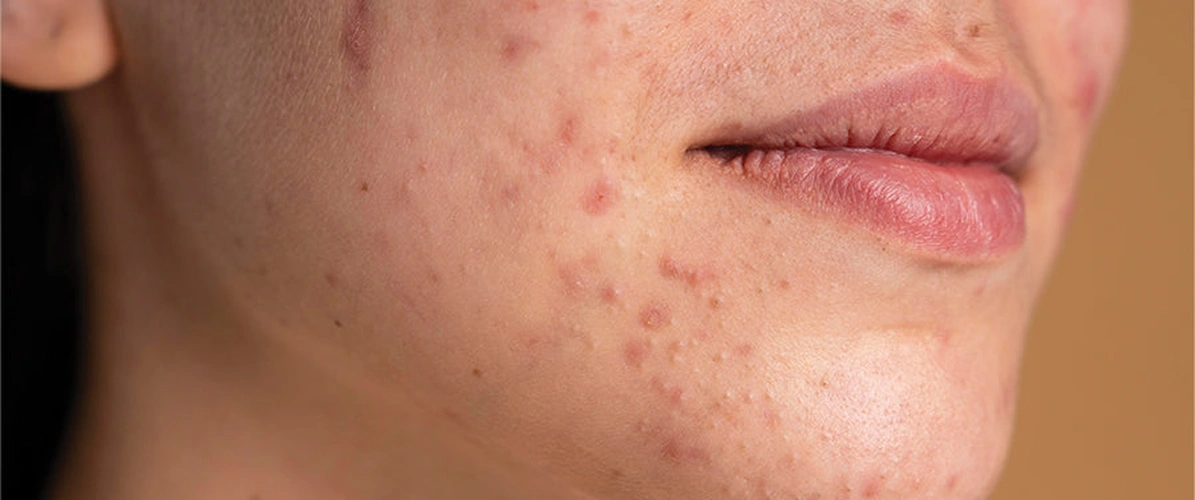
Face skin tags are small, benign growths that often appear on sensitive skin areas like the neck, eyelids, and cheeks. While harmless, they can cause cosmetic concerns and occasional irritation. This guide covers everything you need to know about face skin tags — their causes, symptoms, safe treatments, and prevention — so you can make informed decisions and enjoy smooth, clear skin.
What Are Face Skin Tags?
Face skin tags, medically known as acrochordons, are soft, flesh-colored or slightly darker growths that hang off the skin by a thin stalk called a peduncle. They vary in size, from a tiny dot to about half an inch in diameter. Unlike warts or moles, skin tags are smooth or slightly wrinkled, painless, and usually don’t bleed unless irritated.
Commonly, they form in areas where skin folds or rubs together, such as the sides of the neck, under the jawline, eyelids, and near the hairline. Skin tags affect both men and women and are particularly common with age and certain health conditions.
Why Do Skin Tags Appear on the Face?
Skin tags develop due to a combination of factors:Skin tags develop due to a combination of factors:
- Skin friction: Constant rubbing between skin folds or against clothing can trigger skin tag growth.
- Genetics: Some people inherit a tendency to develop skin tags.
- Age Skin tags become more frequent after age 40.
- Obesity: Excess weight increases skin folds and friction.
- Hormonal changes: Pregnancy and hormonal disorders can lead to skin tags.
- Metabolic conditions: Insulin resistance and diabetes are linked to higher skin tag occurrence.
- Human papillomavirus (HPV): Some studies suggest HPV infection may contribute.
- Other skin conditions: Chronic inflammation or irritation can prompt skin growths.
Biologically, skin tags form when collagen and blood vessels clump under the skin, causing a small flap of tissue to grow outward.
How to Identify Skin Tags vs Other Skin Growths
Knowing how to distinguish skin tags from other skin growths is important:
|
Growth Type
|
Appearance
|
Texture
|
Common Location
|
Malignancy Risk
|
|---|---|---|---|---|
|
Skin Tags (Acrochordons)
|
Soft, flesh-colored or brown, stalked
|
Smooth or wrinkled
|
Neck, eyelids, face
|
Benign
|
|
Moles (Nevi)
|
Flat or raised, pigmented or skin-tone
|
Firm and smooth
|
Anywhere
|
Usually benign, monitor for changes
|
|
Warts
|
Rough, cauliflower-like
|
Hard or rough
|
Hands, face, feet
|
Benign but contagious
|
|
Seborrheic Keratosis
|
Waxy, wart-like, stuck-on look
|
Rough or smooth
|
Face, chest, back
|
Benign
|
If a growth changes color, bleeds, grows rapidly, or becomes painful, consult a dermatologist immediately for diagnosis.
Symptoms and When to Seek Treatment
Skin tags are typically painless, soft, and movable. Most people seek removal because they find skin tags unsightly or uncomfortable.
You should seek medical attention if:
- The skin tag bleeds frequently.
- It becomes painful or infected.
- You notice sudden changes in shape or color.
- The tag interferes with vision or daily activities.
Home Remedies for Face Skin Tag Removal: What Works and What Doesn’t
Home Remedies for Face Skin Tag Removal: What Works and What Doesn’t
Popular Home Treatments
- Tea Tree Oil: Applied topically, it may dry out the tag slowly over weeks.
- Apple Cider Vinegar: Some claim it burns off skin tags, but evidence is anecdotal.
- Garlic Paste: Believed to have natural enzymes that help remove skin tags.
- Vitamin E Oil: Used to moisturize and possibly fade tags.
- Dental Floss or Thread Tying: A method to cut blood supply by tying the base, leading to tag falling off.
Safety and Effectiveness
- Most home remedies lack scientific backing and may cause skin irritation or burns, especially on delicate face skin.
- Avoid cutting or burning tags yourself, which can cause infection or scarring.
- Use home methods with caution and consult a dermatologist before starting any treatment.
Over-the-Counter (OTC) Products for Skin Tag Treatment
Several OTC options claim to remove skin tags safely:
Types of OTC Products
- Freeze-Off Kits: These use cryotherapy principles, freezing the tag to cause it to fall off.
- Skin Tag Removal Creams: Contain acids or enzymes to dissolve skin tags gradually.
- Adhesive Patches: Designed to cut blood flow by tightly sticking around the tag base.
Pros and Cons
|
Product Type
|
How It Works
|
Pros
|
Cons
|
Typical Timeframe
|
|---|---|---|---|---|
|
Freeze-Off Kits
|
Freeze skin tag with cold
|
Convenient, no doctor needed
|
May cause blistering
|
1-3 weeks
|
|
Removal Creams
|
Dissolve tissue gradually
|
Easy application
|
Slow results, possible irritation
|
Several weeks
|
|
Adhesive Patches
|
Cut blood supply
|
Non-invasive
|
May be hard to apply correctly
|
1-2 weeks
|
While convenient, OTC treatments are generally less effective on large or stubborn skin tags and might irritate sensitive facial skin.
Professional Medical Treatments for Face Skin Tags
For safe, effective removal, dermatologists offer various options:
Cryotherapy
Dermatologists use liquid nitrogen to freeze skin tags. The cold destroys tissue, causing tags to shrivel and fall off within 1-2 weeks. This treatment is quick, non-invasive, and suitable for small to medium tags.
Electrocautery
This method uses electrical current to burn off skin tags. It’s precise and usually done under local anesthesia. Electrocautery can be effective for larger or multiple tags but might cause mild discomfort and requires wound care.
Surgical Excision
The dermatologist cuts off the skin tag with a scalpel or scissors. It offers immediate removal and minimal recurrence but may leave a small scar. Local anesthesia is used.
Laser Removal
Lasers target blood vessels feeding the skin tag, destroying it with minimal bleeding. This high-tech method suits sensitive areas like eyelids. It is more expensive but offers quick recovery.
Comparison Table: Professional Skin Tag Removal Methods
|
Treatment
|
Method
|
Pros
|
Cons
|
Typical Cost
|
Healing Time
|
|---|---|---|---|---|---|
|
Cryotherapy
|
Freezing with liquid nitrogen
|
Quick, non-invasive
|
Possible blistering
|
$100-$300 per tag
|
1-2 weeks
|
|
Electrocautery
|
Electrical burning
|
Precise, minimal bleeding
|
Slight discomfort
|
$150-$350
|
1-2 weeks
|
|
Surgical Excision
|
Cutting with scalpel
|
Immediate removal
|
Minor scarring risk
|
$200-$400
|
1-3 weeks
|
|
Laser Removal
|
Laser targeting skin tag
|
Minimal bleeding, quick
|
More expensive
|
$300-$600
|
1-2 weeks
|
What to Expect After Skin Tag Removal
Post-removal, expect some redness, swelling, or minor scabbing around the treated area. Keeping the site clean and dry promotes healing. Avoid picking or scratching scabs to reduce scarring risk.
Use recommended topical antibiotics or healing ointments, and avoid sun exposure on the site to prevent pigmentation changes. Most skin tags heal fully within 1-3 weeks.
Contact your doctor if you experience:
- Excessive bleeding or pain
- Signs of infection (pus, fever, redness spreading)
- Allergic reactions to treatment products
Can Skin Tags Grow Back After Removal?
Skin tags generally do not regrow in the exact same spot after professional removal. However, new skin tags may develop nearby, especially if underlying risk factors persist.
Factors increasing recurrence risk include:
- Ongoing skin friction or irritationOngoing skin friction or irritation
- Hormonal changes (e.g., pregnancy)
- Metabolic conditions like diabetes
- Genetic predisposition
Maintaining healthy weight and skin care can reduce new growth.
Prevention Tips for Face Skin Tags
While it’s impossible to prevent all skin tags, you can reduce your risk by:
- Managing weight to minimize skin folds
- Wearing loose, comfortable clothing to reduce friction
- Keeping skin clean and moisturized to prevent irritation
- Monitoring skin changes and seeing a dermatologist early
- Avoiding self-removal attempts that damage surrounding skin
When Is It Important to See a Dermatologist?
See a dermatologist if:
- You’re unsure whether a growth is a skin tag
- Tags cause pain, bleeding, or frequent irritation
- You want quick, professional removal with minimal scarring
- Skin tags are near sensitive areas (eyes, nose, mouth)
- You notice any changes in size, shape, or color of a growth
A dermatologist ensures accurate diagnosis and safe treatment tailored to your skin type.
Conclusion
Face skin tags are common, benign growths that can be effectively treated with professional or safe home options. Understanding their causes, identifying them correctly, and choosing the right treatment method can help you maintain clear, healthy skin. Always prioritize safety and consult a dermatologist for personalized care.
If you’re ready to improve your Treatment, our expert team is here to help.
Contact us today to book your consultation and take the first step toward clearer, smoother, and more radiant skin.
Book Treatments
Manage Consent
To provide the best experiences, we use technologies like cookies to store and/or access device information. Consenting to these technologies will allow us to process data such as browsing behavior or unique IDs on this site. Not consenting or withdrawing consent, may adversely affect certain features and functions.
Functional
Always active
The technical storage or access is strictly necessary for the legitimate purpose of enabling the use of a specific service explicitly requested by the subscriber or user, or for the sole purpose of carrying out the transmission of a communication over an electronic communications network.
Preferences
The technical storage or access is necessary for the legitimate purpose of storing preferences that are not requested by the subscriber or user.
Statistics
The technical storage or access that is used exclusively for statistical purposes.
The technical storage or access that is used exclusively for anonymous statistical purposes. Without a subpoena, voluntary compliance on the part of your Internet Service Provider, or additional records from a third party, information stored or retrieved for this purpose alone cannot usually be used to identify you.
Marketing
The technical storage or access is required to create user profiles to send advertising, or to track the user on a website or across several websites for similar marketing purposes.
Prime Aesthetics
Typically replies within minutes
Any questions related to Face Skin Tag Treatment: Causes, Symptoms, and Best Removal Options for Clear Skin?
WhatsApp Us
Online | Privacy policy
WhatsApp us