
Baby Botox in Sevenoaks: Is It Right for You?
- primeaesthetics
Introduction
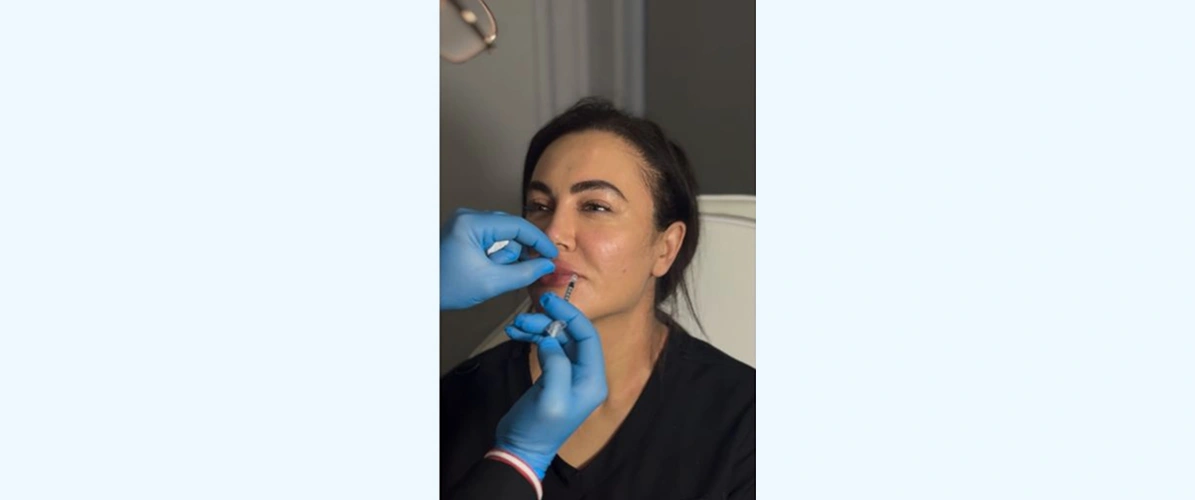
If you've been thinking about Botox but worry about looking "frozen" or overdone, Baby Botox could be the perfect solution. This increasingly popular treatment uses smaller, carefully placed doses of Botox to soften fine lines while preserving natural facial movement. The result is a refreshed, rested appearance that enhances your features without making it obvious you've had treatment.
At Prime Aesthetics in Sevenoaks, our goal is always to create subtle, personalized results that leave you looking like the best version of yourself.
What Is Baby Botox?
Baby Botox is a technique that uses lower doses of Botox than a traditional treatment. Rather than fully relaxing a muscle, smaller amounts are strategically injected to reduce the appearance of fine lines while maintaining natural facial expressions.
It's not a different product-it's simply a different approach, with the treatment tailored to achieve softer, more understated results.
How Is Baby Botox Different from Traditional Botox?
The main difference is the amount of product used and the final look.
raditional Botox is often chosen for more established lines or for patients seeking a stronger smoothing effect. Baby Botox, on the other hand, is designed to soften wrinkles while allowing more movement in the treated muscles.
Many patients choose Baby Botox because they want friends and family to notice they look refreshed, not that they've had cosmetic treatment.
- First-time Botox patients
- Adults wanting subtle facial rejuvenation
- People with fine lines rather than deep wrinkles
- Those who prefer natural facial movement
- Patients interested in preventative anti-ageing treatments
It's particularly popular with people in their late 20s and 30s who want to slow the development of expression lines before they become more noticeable.
Which Areas Can Be Treated?
Baby Botox can be used in many of the same areas as traditional Botox, including:
- Forehead lines
- Frown lines (between the eyebrows)
- Crow's feet
- Is ideal for first-time Botox patients
- Bunny lines
- Chin dimpling
- Lip flip
- Downturned corners of the mouth
During your consultation, your practitioner will recommend the most appropriate treatment plan based on your facial anatomy and aesthetic goals.
What Are the Benefits of Baby Botox?
One of the biggest reasons patients choose Baby Botox is that it provides a subtle enhancement rather than a dramatic change.
Benefits may include:
- Softer-looking fine lines
- A refreshed appearance
- Natural facial expressions
- Reduced signs of tiredness
- Prevention of deeper wrinkles developing over time
- Quick treatment with minimal downtime
The aim is to help you look well-rested and confident while maintaining your unique facial expressions.
Does Baby Botox Last as Long?
Baby Botox generally lasts around 3 to 4 months, although this varies depending on:
- Your metabolism
- Muscle strength
- Lifestyle factors
- Treatment area
- Previous Botox treatments
Because lower doses are used, some patients find they choose maintenance appointments a little sooner, although results vary from person to person.
Is Baby Botox Painful?
Most patients describe the treatment as very comfortable.
The injections are performed using extremely fine needles and usually take around 15 to 20 minutes. Any discomfort is brief, and most people return to work or their normal routine immediately afterwards.
Will I Still Look Like Myself?
Absolutely. This is one of the main reasons patients choose Baby Botox.
The treatment is designed to soften lines while preserving natural facial movement, helping you smile, laugh, and express yourself without the appearance of deep expression lines. The goal is subtle enhancement-not changing the way you look.
Is Baby Botox Better Than Traditional Botox?
Neither treatment is better-they simply suit different people and different goals. Baby Botox may be the better choice if you:
- Want very natural-looking results
- Are trying Botox for the first time
- Have fine lines rather than deeper wrinkles
- Prefer a more subtle approach
Traditional Botox may be more appropriate for patients with stronger muscle movement or more established lines who are looking for a greater smoothing effect. A professional consultation will help determine which option is best for you.
Frequently Asked Questions
Q. At what age should I consider Baby Botox?
A. Many people begin in their late 20s or early 30s as a preventative treatment, although there is no "right" age. Treatment should always be based on your individual concerns rather than your age alone.
Q. Will people know I've had Baby Botox?
A. When performed correctly, the results should be subtle. Friends and family are more likely to comment that you look refreshed or well-rested rather than noticing you've had treatment.
Q. Can Baby Botox prevent wrinkles?
A. By reducing repetitive muscle movement, Baby Botox may help slow the development of deeper expression lines over time.
Q. Can I switch from Baby Botox to traditional Botox later?
A. Yes. Your treatment plan can be adjusted over time to suit your changing skin, muscle activity, and aesthetic goals.
Q. Why Choose Prime Aesthetics in Sevenoaks?
A. At Prime Aesthetics, every treatment begins with a personalized consultation to understand your concerns and desired outcome.
We believe aesthetic treatments should enhance your natural beauty-not mask it. Whether you're considering Baby Botox as your first anti-wrinkle treatment or looking for a softer alternative to traditional Botox, we'll create a bespoke treatment plan focused on safe, balanced, and natural-looking results.
Q. Thinking About Baby Botox?
A. If you're interested in a subtle, refreshed appearance without sacrificing natural expression, Baby Botox could be an excellent option.
Book a consultation at Prime Aesthetics
Sevenoaks to discuss your goals, ask questions, and discover whether Baby Botox is the right treatment for you.