
Best Treatment for Pigmentation on Face
- primeaesthetics
Introduction
Facial pigmentation can be frustrating, affecting not only your appearance but also your confidence. Whether you’re dealing with dark spots from acne, sun damage, or hormonal changes, you’re not alone. In this guide, we’ll explore the best treatments for pigmentation on the face, from clinical options to prevention strategies—helping you make the most informed skincare decisions.
What Is Facial Pigmentation and Why Does It Happen?
Facial pigmentation refers to uneven skin tone or dark patches caused by an overproduction of melanin. It’s the result of various triggers like sun exposure, inflammation, or hormonal fluctuations. The most common types include:
- Melasma: Brown, symmetrical patches often triggered by hormones or pregnancy.
- Sunspots (Solar Lentigines): Flat, brown marks due to prolonged sun exposure.
- Post-Inflammatory Hyperpigmentation (PIH): Dark spots left behind after acne, injuries, or inflammation.
- Freckles: Small, genetic spots intensified by sunlight.
These conditions arise when melanocytes (pigment-producing cells) produce excess melanin, which becomes visible on the skin’s surface
Signs You’re Dealing with Pigmentation—Not Just a Tan
Pigmentation differs from a tan in its permanence and pattern. While a tan fades over time, pigmentation may persist for months or years. Key signs include:
- Patches that don’t fade with time
- Uneven tone with distinct borders
- Spots that get darker with sun exposure
If these symptoms persist, it’s time to see a professional.
|
Type
|
Cause
|
Appearance
|
Common Area
|
|---|---|---|---|
|
Melasma
|
Hormonal, pregnancy
|
Brown, symmetric patches
|
Cheeks, forehead, upper lip
|
|
Sunspots
|
UV damage
|
Flat, brown spots
|
Nose, cheeks, forehead
|
|
PIH
|
Acne or injury
|
Red to dark brown marks
|
Anywhere inflammation occurred
|
|
Freckles
|
Genetic, UV-exposure
|
Small, scattered spots
|
Nose, cheeks, shoulders
|
Each type of pigmentation has a unique cause and requires a tailored treatment approach.
Professional Treatments for Facial Pigmentation
Professional skincare clinics offer powerful solutions that go beyond what you can achieve at home. Below, we cover some of the most effective options.
Chemical Peels
- Best for: PIH, early melasma
- Brands: Obagi Blue Peel, AlumierMD
- Sessions needed: 3–5, depending on severity
- Side effects: Temporary redness, peeling, flaking
These are ideal for patients seeking gradual but noticeable improvement. Prime Aesthetics uses medical-grade chemical peels suited to individual skin types.
Laser Treatments
Laser treatments target pigment cells with focused light energy, breaking down melanin clusters without harming surrounding skin.
- Types: Q-switched Nd:YAG, PicoSure, IPL
- Best for: Sunspots, PIH, melasma (under supervision)
- Sessions: Typically 3–6
- Brands/Devices: Available at Prime Aesthetics
- Side effects: Redness, temporary sensitivity
Laser Pigmentation Removal at Prime Aesthetics is tailored for safety and effectiveness, even for sensitive and darker skin tones.
Microneedling
Microneedling uses tiny needles to create controlled micro-injuries that stimulate collagen production and skin renewal.
- Best for: Acne-related pigmentation and scarring
- Benefits: Enhances serum absorption, smoothens texture
- Sessions: 3–8 depending on skin concerns
Explore our microneedling treatment blog to learn how it addresses pigmentation and acne scars effectively.
Skin Booster Injections
Skin boosters inject hydrating and brightening agents directly into the dermis, improving skin texture, tone, and luminosity.
- Best for: Dull, pigmented skin with hydration loss
- Brands: Seventy Hyal, Profhilo
- Benefits: Deep hydration, gradual brightening
Check out our skin booster blog for full benefits and client testimonials.
Prescription Topicals
Topical treatments can be highly effective when used under professional supervision.
- Ingredients: Retinoids, hydroquinone, kojic acid, azelaic acid
- Best for:: Mild pigmentation, maintenance
- Limitations: Takes weeks to show results
Prescription-based creams are often combined with clinical treatments for synergistic effects.
Home Remedies and OTC Products: Do They Work?
Home treatments like Vitamin C serums and niacinamide can help brighten the skin, but their effects are typically mild.
- Vitamin C: Antioxidant, helps fade sunspots
- Niacinamide: Reduces inflammation, brightens tone
- Exfoliants AHAs and BHAs improve cell turnover
While helpful, these treatments often plateau, especially with deeper pigmentation. We recommend switching to medical-grade skincare, available at Prime Aesthetics.
Which Treatment Should You Choose Based on Your Skin Type?
Choosing the right treatment depends on your skin type and pigmentation severity:
|
Skin Type
|
Best Treatment
|
|---|---|
|
Melasma
|
Cheeks, forehead, upper lip
|
|
Sunspots
|
Nose, cheeks, forehead
|
|
PIH
|
Anywhere inflammation occurred
|
|
Freckles
|
Nose, cheeks, shoulders
|
Both treatments have their place, but fat dissolving injections are best suited for those with mild to moderate fat pockets seeking a non-invasive option.
Real Results: What to Expect from Professional Treatments
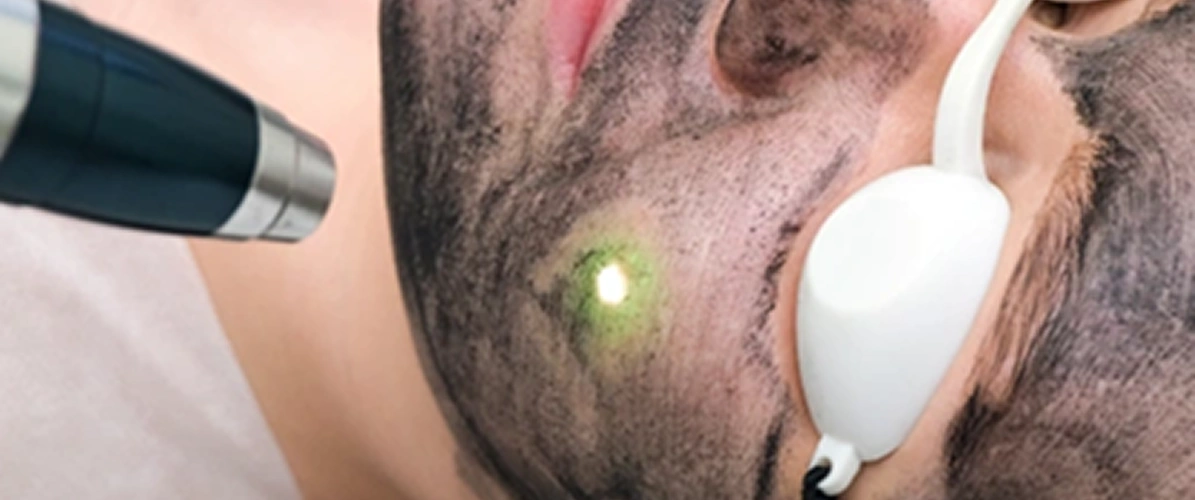
Pigmentation treatments offer visible results within weeks, depending on the method used.
- Microneedling: 3–6 sessions for smoother, even tone
- Lasers: Results appear after 1–2 weeks per session
- Peels: Flaking begins in days; clearer skin by 2–4 weeks
At Prime Aesthetics, many clients have experienced dramatic improvements with combination therapies.
Pigmentation Prevention: Stop It Before It Starts
Prevention is just as important as treatment. Here’s how to avoid pigmentation:
- Use SPF daily: Even on cloudy days
- Apply antioxidants: Vitamin C, green tea extract
- Adopt skin-friendly habits: Balanced diet, avoid smoking
- Post-treatment care: Moisturize, avoid direct sunlight
This ensures long-term success and prevents recurrence.
When to Visit a Skincare Clinic for Pigmentation
If pigmentation worsens or doesn’t improve with OTC care, it’s time to consult a clinic. Indicators include:
- Persistent dark patches
- Skin tone getting uneven over time
- Failed results from home treatments
At Prime Aesthetics, we provide comprehensive consultations, including digital skin analysis and tailored pigmentation treatment plans.
Conclusion
Pigmentation can be complex, but understanding the causes, types, and treatment options gives you control over your skin. Whether you’re looking for fast results or gradual improvements, professional help makes a world of difference.
If you’re ready to improve your Laser Pigmentation Removal and Skin Booster, our expert team is here to help.
Contact us today to book your consultation and take the first step toward clearer, smoother, and more radiant skin.