
Tired of Milia That Won’t Go Away? The Solution Is Professional Milia Removal
- primeaesthetics
Introduction
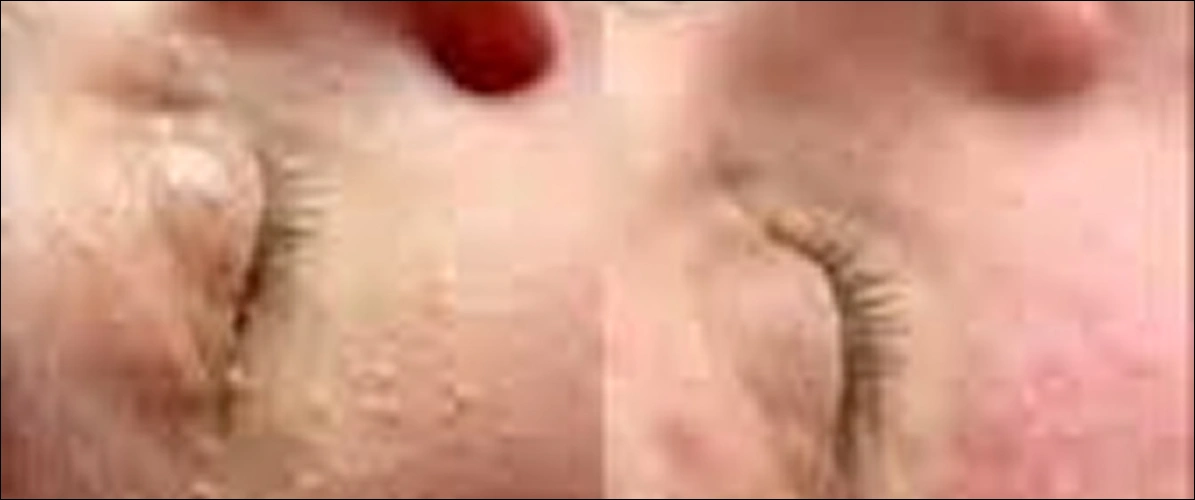
For many people, milia are a frustrating and persistent skin concern. These small, pearl-like white or yellow bumps often appear on the face, particularly around the eyes, nose, and cheeks. Although they are harmless, they can be very noticeable and difficult to shift, leading to feelings of self-consciousness.
Unlike spots or acne, milia are not caused by bacteria or excess oil. Instead, they are tiny cysts made of keratin, the same protein found in your hair, skin, and nails. When dead skin cells become trapped beneath the surface, they harden and create these bumps. Because of their structure, they rarely respond to typical spot treatments, creams, or home remedies.
If you’ve been struggling with stubborn milia that simply won’t go away, professional Milia Removal treatment is the safest and most effective solution. With expert care, you can finally achieve clear, smooth, and even skin without the risks of scarring or infection.
Safe Milia Removal Options You Can Trust
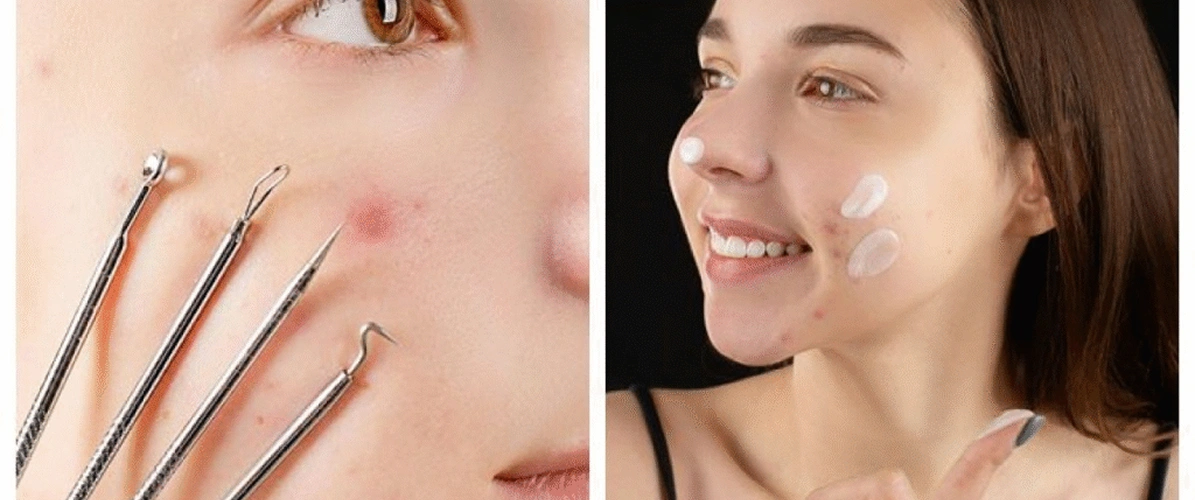
While it may be tempting to try squeezing or picking at milia yourself, this approach almost always makes matters worse. The skin becomes red and irritated, and you may even cause scarring or infection. The safest option is always to have milia removed by a trained professional.
Manual Extraction
This is one of the most widely used techniques for milia removal. A practitioner carefully uses a sterile needle or fine blade to create a tiny opening in the skin. The trapped keratin is then gently extracted. Because this method is precise and carried out in sterile conditions, the risk of damage or scarring is minimal. The area typically heals quickly, leaving behind clear skin.
Advanced Electrolysis
Electrolysis involves the use of a fine probe that delivers a small electrical current directly into the milia. The current breaks down the keratin, allowing the cyst to be released. This method is particularly effective for people with multiple or stubborn milia. It is quick, efficient, and has minimal downtime, making it a popular choice in professional clinics.
Cryotherapy
Cryotherapy uses liquid nitrogen to freeze the milia. After treatment, the bump gradually falls away as the skin heals and regenerates. This technique may be recommended for larger or more difficult-to-treat milia, although it is less common than manual extraction or electrolysis.
Laser Treatment
For particularly resistant cases, a laser may be used to target the milia. This method is highly precise and effective on delicate areas of the face. While not always necessary, it is an excellent option for certain patients who do not respond well to other treatments.
Each of these procedures is designed to remove milia safely and effectively. Which method is used will depend on the number, size, and location of your milia, as well as your personal comfort and skin type.
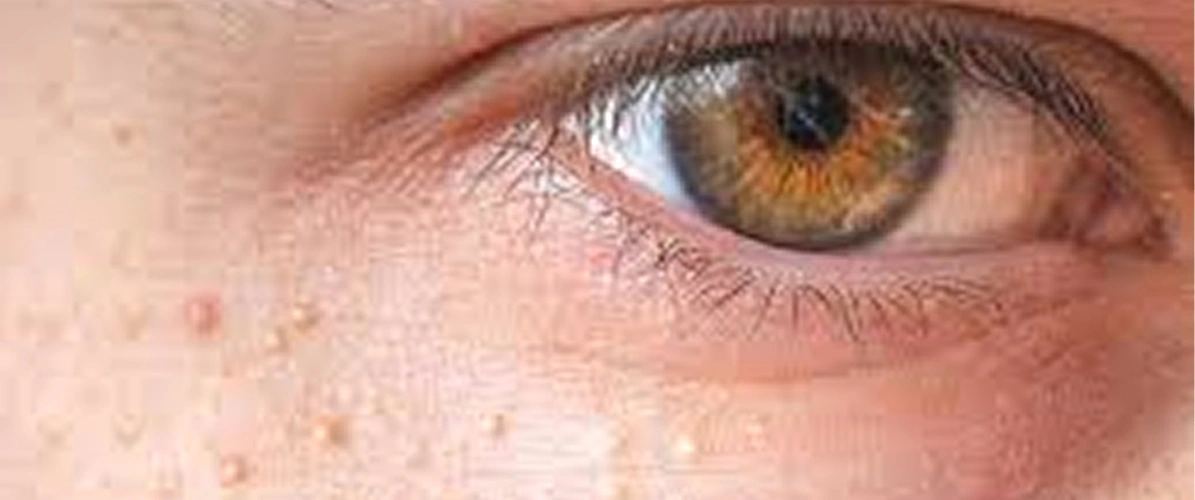
One of the most common and troublesome areas for milia is the eyelids. Because the skin here is very thin and delicate, it is especially important to avoid attempting home removal. The risk of damaging the eye or surrounding tissue is high, and self-treatment could result in lasting harm.
Professionals approach milia on eyelids with great care. Manual extraction is often the preferred technique, as it allows for precision in such a sensitive area. Using a sterile needle under magnification, the practitioner makes a minute opening before carefully extracting the contents. This ensures that the procedure is safe and minimizes trauma to the surrounding skin.
Electrolysis can also be used for milia on the eyelids in some cases, although it depends on the exact position of the cyst. Treatments are quick and, when carried out by an expert, pose very little risk.
After treatment, it is important to follow the aftercare advice provided. This typically includes keeping the area clean, avoiding rubbing or applying heavy creams near the eyes, and protecting the skin from direct sunlight. With proper care, healing is fast and the results are very satisfying.
Common Causes of Milia on Eyelids
Although anyone can develop milia, some people are more prone to them due to a combination of skin type, lifestyle, and genetics. The eyelids are especially susceptible because the skin is thin and more easily affected by blockages or damage.
Blocked Pores
Milia form when keratin becomes trapped beneath the skin’s surface. On the eyelids, pores are naturally small and more likely to become blocked, leading to the formation of these tiny cysts.
Heavy Skincare Products
Rich eye creams, heavy moisturisers, or oil-based products can sometimes clog pores around the eyes. When this happens, dead skin cells and keratin cannot shed properly, and milia may develop.
Sun Damage
Excessive exposure to the sun can thicken and toughen the skin, making it harder for dead cells to be naturally exfoliated. This increases the risk of keratin becoming trapped, especially around the delicate eye area.
Genetics
Some individuals are genetically predisposed to milia. If your family members are prone to them, you may find that you develop them more frequently, regardless of your skincare routine.
Medical or Skin Trauma
Occasionally, milia form after the skin has been damaged or traumatised. Burns, rashes, or even certain cosmetic procedures can trigger their development. In such cases, professional removal may be required more than once, depending on how the skin heals.
Medical or Skin Trauma
Occasionally, milia form after the skin has been damaged or traumatised. Burns, rashes, or even certain cosmetic procedures can trigger their development. In such cases, professional removal may be required more than once, depending on how the skin heals.
By understanding the causes, you can take steps to reduce the likelihood of recurrence. Professionals often recommend lighter, non-comedogenic skincare products, regular but gentle exfoliation, and consistent use of sun protection.
What to Expect from Treatment
The treatment process is simple and quick, typically taking just a few minutes. After your consultation, the practitioner will administer the injection, usually in your upper arm. Since these vitamins are water-soluble, any excess is safely excreted through your urine, meaning there’s no risk of overdose.
You may start noticing improved energy within 24-72 hours, with skin improvements following as your body’s systems re-balance and renew.
Safe and Professional Care
Jabs / injections are considered safe for most individuals when administered by a trained practitioner. Mild redness or tenderness at the injection site may occur but usually resolves quickly. Always ensure that your jabs / injections treatment is carried out in a clean, reputable clinic under professional supervision to ensure optimal results and safety.
Conclusion
Although milia are harmless, they can be stubborn, unsightly, and distressing for those affected. Over-the-counter products rarely resolve the problem, and attempting removal at home risks permanent scarring or infection. The safest and most effective solution is to seek professional milia removal, carried out by a qualified practitioner.
From manual extraction to advanced electrolysis, there are a range of safe methods available to clear the skin and restore a smooth, blemish-free appearance. This is particularly important when dealing with sensitive areas such as the eyelids, where only expert treatment should be considered.
Professional guidance ensures that your treatment is tailored to your skin type and condition, with advice provided to help prevent recurrence in the future. With the right approach, you can enjoy long-lasting results and renewed confidence in your skin.
At Prime Aesthetics Clinic, professional practitioners provide trusted treatments for milia removal, offering safe, effective solutions tailored to your individual needs.
This results in the reduced appearance of fine lines, improved skin texture, and an overall healthier look.
If you are ready to experience the benefits for yourself, book your treatment at Prime Aesthetics Clinic and take the first step towards radiant, youthful skin.